Travel

hidden details inside jaisalmer fort secrets of rajasthan's golden citadel
Travel

Hidden Details Inside Jaisalmer Fort

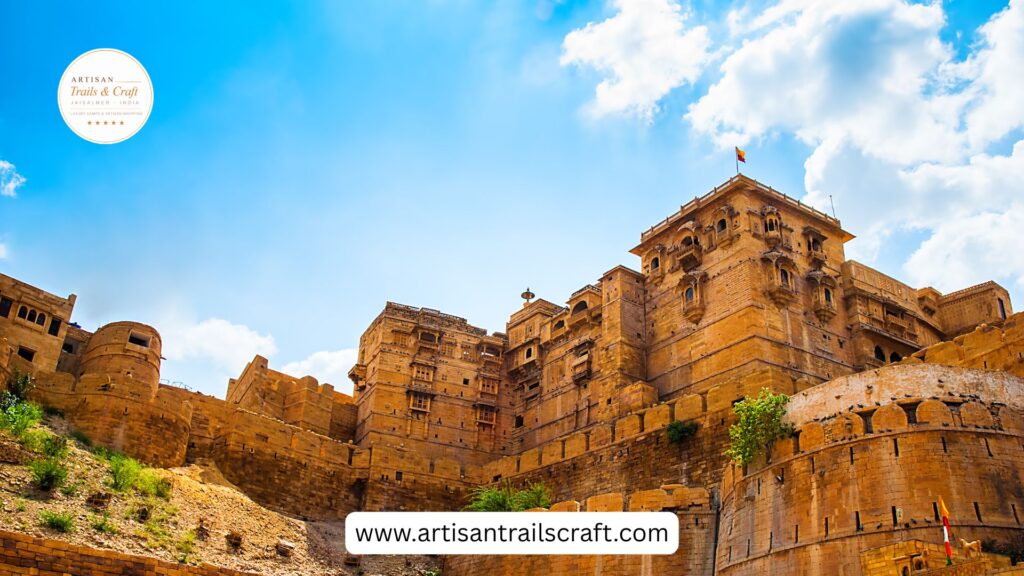
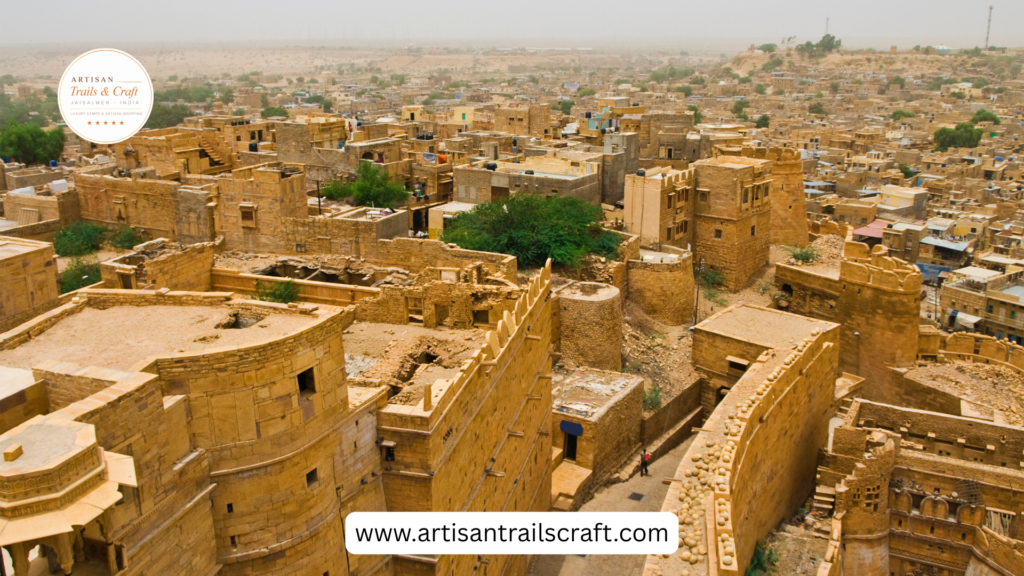
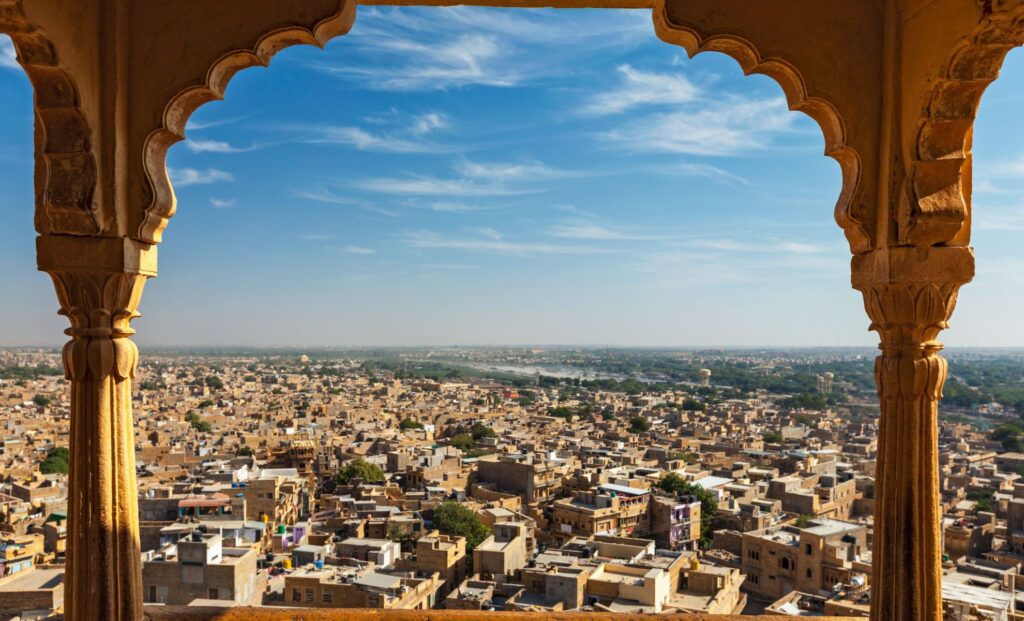
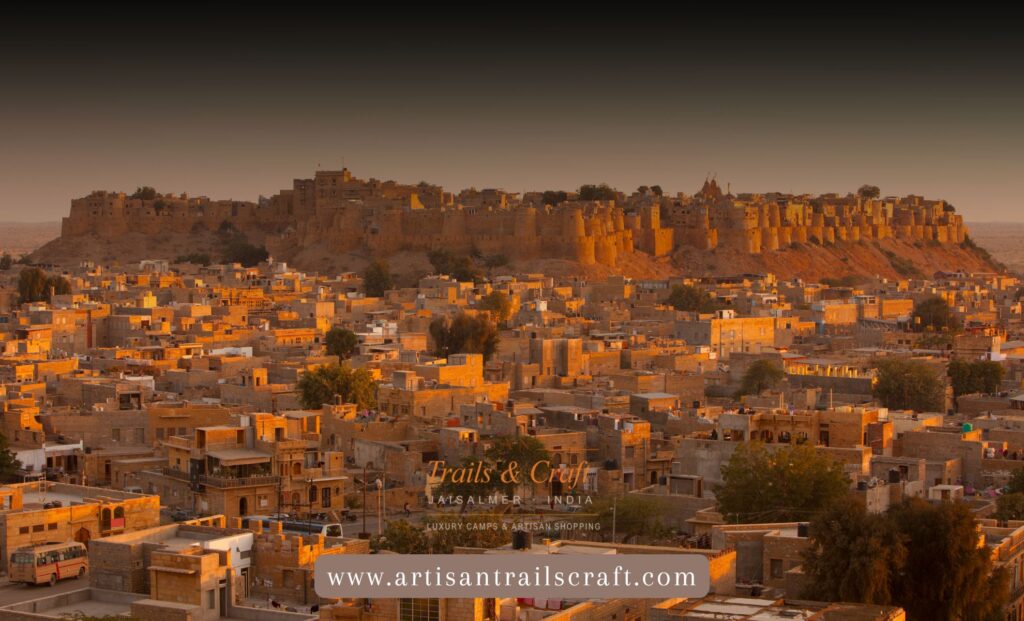
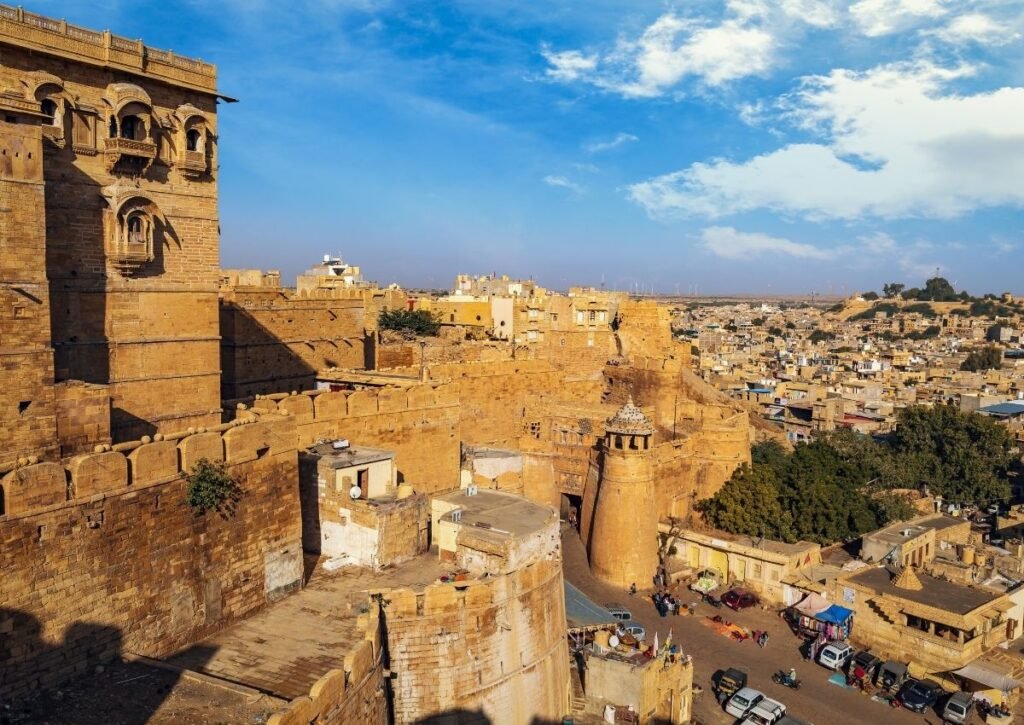
Hidden Details Inside Jaisalmer Fort You Should Not Miss Rising above the golden sands of the Thar Desert, Jaisalmer Fort is more than just a famous tourist attraction. Built in 1156 CE by Bhati Rajput ruler Rawal Jaisal, this magnificent fortress has witnessed centuries of trade, invasions, royal ceremonies, and everyday life. Today, it remains one of the few “living forts” in the world, with thousands of residents continuing to live within its ancient walls. While most visitors come for the panoramic views and golden sandstone architecture, the real magic lies in the hidden details scattered throughout its narrow lanes, temples, homes, and marketplaces. In this guide, we uncover the lesser-known stories and fascinating secrets inside Jaisalmer Fort that many travellers miss. Why Is Jaisalmer Fort Called the Golden Fort? Locally known as Sonar Quila or Swarna Durg, the fort is built entirely from yellow sandstone. During sunrise and sunset, these stones reflect warm golden hues, making the structure appear like a giant golden mirage rising from the desert. This unique appearance earned it the nickname “Golden Fort.” The fort stands proudly on Trikuta Hill, offering strategic views over the surrounding desert trade routes that once connected India with Central Asia and beyond. Hidden Detail 1: A Living City Inside Ancient Walls Unlike most forts in India that function solely as museums, Jaisalmer Fort is a thriving community. Nearly one-fourth of Jaisalmer’s population still lives inside the fort’s walls. Families have occupied these homes for generations, creating a rare blend of heritage and everyday life. You’ll find schools, temples, guesthouses, shops, and local kitchens operating within the centuries-old structure. This living heritage is one of the key reasons why UNESCO included Jaisalmer Fort in the Hill Forts of Rajasthan World Heritage Site in 2013. Hidden Detail 2: The Four Massive Gateways Tell a Story Many travelers walk through the fort gates without realizing that each entrance served a specific defensive purpose. The four gateways — Akhai Pol, Suraj Pol, Ganesh Pol, and Hawa Pol — were designed in a zigzag pattern to slow down invading armies and prevent direct elephant charges. As you pass through these gates, notice the sharp turns and elevated positions. They were part of an advanced defense system developed centuries before modern warfare. Hidden Detail 3: Intricate Jain Temples Hidden in Narrow Lanes Deep inside the fort’s maze-like streets are seven remarkable Jain temples built between the 12th and 15th centuries. These temples are dedicated to various Tirthankaras and showcase extraordinary craftsmanship. Look closely at the sandstone carvings. You will find: The temples demonstrate how religion, trade, and art flourished together inside the fort. Hidden Detail 4: Hidden Courtyards and Family Havelis Behind modest wooden doors are beautiful courtyards that many visitors overlook. Merchant families who prospered through desert trade routes built private havelis with intricately carved balconies, hidden terraces, and internal courtyards designed to stay cool during Rajasthan’s intense summers. Many of these homes remain privately owned, offering a glimpse into traditional desert architecture that balances beauty with practicality. Hidden Detail 5: Ancient Rainwater Harvesting Systems Water has always been precious in the Thar Desert. Long before modern infrastructure, the fort’s residents developed sophisticated rainwater harvesting systems. Underground storage tanks, narrow drainage channels, and carefully planned slopes directed rainwater into reservoirs for year-round use. These sustainable water management techniques helped the fort survive for centuries in one of India’s driest regions. Hidden Detail 6: Secret Viewing Points Beyond the Main Terrace Most visitors head straight to the popular viewpoints near the entrance. However, some of the best views are hidden along the quieter lanes near the fort’s outer walls. These lesser-known spots offer: Early mornings provide the most peaceful experience before the crowds arrive. Hidden Detail 7: The Royal Palace Holds Untold Stories The Raj Mahal, also known as the Royal Palace, served as the residence of Jaisalmer’s rulers for centuries. Inside, visitors can discover: These architectural details reveal how the rulers adapted to desert conditions while maintaining luxury and security. Hidden Detail 8: Every Carving Has a Purpose Look closely at the fort’s windows, balconies, and walls. The famous jharokhas are not only decorative. Their design improves airflow, provides shade, and offers privacy while allowing residents to observe street activities. Similarly, narrow lanes create natural cooling by reducing direct sunlight and encouraging air circulation. What appears to be artistic expression is also a masterclass in climate-responsive architecture. Challenges Facing Jaisalmer Fort Today As a living fort, Jaisalmer Fort faces unique conservation challenges. Modern plumbing systems, increasing tourism, water seepage, and population pressure have affected the fort’s foundations over the years. Conservation organizations and heritage experts continue working to preserve this architectural wonder for future generations. Responsible tourism plays an important role in protecting this UNESCO World Heritage Site. Tips for Exploring Hidden Corners of Jaisalmer Fort Final Thoughts Jaisalmer Fort is not just a monument frozen in time. It is a living, breathing city where history unfolds every day. Beyond its golden walls lie hidden temples, secret courtyards, ancient water systems, and generations of stories waiting to be discovered. The next time you visit Jaisalmer Fort, slow down. Wander through its narrow lanes, look up at the carved balconies, and listen carefully. You may find that the most memorable experiences are not listed on any map. Frequently Asked Questions About Jaisalmer Fort What is special about Jaisalmer Fort? Jaisalmer Fort is one of the few living forts in the world where thousands of people still reside within its walls. It is also a UNESCO World Heritage Site and one of Rajasthan’s most iconic landmarks. Why is Jaisalmer Fort called Sonar Quila? The fort is built from yellow sandstone that glows golden under sunlight, especially during sunrise and sunset. How old is Jaisalmer Fort? Jaisalmer Fort was built in 1156 CE by Rawal Jaisal, making it more than 850 years old. Are people still living inside Jaisalmer Fort? Yes. Approximately one-fourth of Jaisalmer’s population continues to live and work inside the fort. Which temples

jaisalmer 2 day itenary
Travel

Jaisalmer 2 Day Itinerary

Jaisalmer 2 Day Itinerary: A Simple Guide to Explore the Golden City Introduction Planning a short trip to Jaisalmer? Many travelers wonder if two days are enough to see the city. The good news is that with the right plan, you can explore the main attractions, enjoy local food, visit the desert, and experience the unique charm of the Golden City in just two days. This Jaisalmer itinerary is designed for travelers who want to make the most of their time without rushing from one place to another. Day 1: Explore the Historic Side of Jaisalmer Start Your Morning at Jaisalmer Fort Begin your trip with a visit to Jaisalmer Fort, one of the most famous landmarks in Rajasthan. Built from yellow sandstone, the fort looks golden when sunlight falls on it, which is why Jaisalmer is often called the Golden City. Walk through the narrow lanes, admire the traditional houses, and enjoy beautiful views of the city from different points inside the fort. Visit the Beautiful Havelis After exploring the fort, head towards the famous havelis of Jaisalmer. Some popular havelis include: These heritage buildings are known for their detailed stone carvings and unique architecture. They offer a glimpse into the lifestyle of wealthy merchants who lived here many years ago. Enjoy a Traditional Rajasthani Lunch Take a break and enjoy local dishes at a traditional restaurant. Many visitors love trying dal baati churma, ker sangri, and gatte ki sabzi during their trip to Jaisalmer. Spend the Evening at Gadisar Lake In the evening, visit Gadisar Lake. This peaceful spot is perfect for relaxing after a day of sightseeing. You can enjoy a boat ride, watch migratory birds during the season, and capture beautiful photographs of the temples and gateways around the lake. Walk Through Local Markets Before ending your day, explore the local markets near the fort area. You will find handicrafts, embroidered textiles, leather items, jewelry, and souvenirs that reflect the culture of Rajasthan. Day 2: Experience the Thar Desert Visit Bada Bagh in the Morning Start your second day with a visit to Bada Bagh. This historic site is known for its royal cenotaphs and peaceful surroundings. The golden sandstone structures look especially beautiful during the early morning hours. Explore Kuldhara Village Next, visit Kuldhara, an abandoned village located near Jaisalmer. The village is known for its unique history and attracts travelers who want to explore a different side of Rajasthan. Walking through the old streets gives visitors a chance to experience a place that has remained untouched for many years. Head Towards Sam Sand Dunes No Jaisalmer itinerary is complete without visiting the famous Sam Sand Dunes. The dunes offer a true desert experience where visitors can enjoy: Watch the Sunset Over the Desert One of the best moments of any Jaisalmer trip is watching the sunset over the sand dunes. As the sun slowly disappears, the desert changes color and creates a memorable view. Many travelers consider this the highlight of their visit. Enjoy a Desert Camp Experience If your schedule allows, spend the evening at a desert camp. Cultural music, folk dance performances, and traditional hospitality make the experience even more special. Places Covered in This Jaisalmer Itinerary This 2 day itinerary covers some of the most popular attractions in Jaisalmer: Travel Tips for a 2 Day Jaisalmer Trip Choose Comfortable Clothing Jaisalmer can be warm during the day, so light and comfortable clothes are recommended. Carry Water During Sightseeing Keep a water bottle with you while exploring the city and desert areas. Start Early Most attractions are easier to explore during the morning hours when the weather is pleasant. Book Desert Activities in Advance Camel safaris, jeep safaris, and desert camps are popular, especially during the tourist season. Booking early can help avoid last minute issues. Is 2 Days Enough for Jaisalmer? Yes, two days are enough to explore the main attractions of Jaisalmer if you follow a well planned itinerary. You can visit historic landmarks, experience local culture, enjoy traditional food, and spend time in the Thar Desert without feeling rushed. If you have more time, you can explore nearby villages and spend an extra night in the desert. However, for most travelers, a 2 day trip offers a complete introduction to the beauty of Jaisalmer. Final Thoughts A well planned Jaisalmer itinerary allows you to experience the best of the Golden City in just two days. From the grand fort and historic havelis to the peaceful Gadisar Lake and the vast sand dunes of the Thar Desert, every part of the journey offers something memorable. Whether you are traveling with family, friends, or as a couple, Jaisalmer promises an experience filled with history, culture, and unforgettable desert landscapes.

best time to visit jaisalmer
Travel

Best Time to Visit Jaisalmer

Best Time to Visit Jaisalmer (2026 Guide): Weather, Desert Safari & Places to Visit in Jaisalmer Jaisalmer, often called the Golden City of Rajasthan, is one of India’s most beautiful desert destinations. Famous for its golden sandstone architecture, vast Thar Desert, cultural experiences, and historic landmarks, Jaisalmer attracts travelers from around the world throughout the year. But when is the best time to visit Jaisalmer? The answer depends on what kind of experience you’re looking for. Whether you want to enjoy a desert safari, explore historic forts, attend local festivals, or discover the top places to visit in Jaisalmer, choosing the right season can make your trip even more memorable. In this guide, we’ll cover Jaisalmer’s weather throughout the year, the best months to visit, seasonal travel tips, and the most popular attractions you shouldn’t miss. Quick Answer: What is the Best Time to Visit Jaisalmer? The best time to visit Jaisalmer is between October and March. During these months: If you want to experience Jaisalmer at its best, plan your trip between November and February. Jaisalmer Weather Throughout the Year Winter Season (October to March) – Best Time to Visit Jaisalmer Temperature: 8°C to 27°C Winter is considered the peak tourist season in Jaisalmer. The weather remains comfortable during the day, while evenings can become pleasantly cool. This is the perfect season for: Most travelers choose these months because exploring the city becomes easy and enjoyable. Places to Visit in Jaisalmer During Winter Winter sunsets over the Thar Desert are among the most beautiful experiences in Rajasthan. Summer Season (April to June) Temperature: 25°C to 45°C+ Summer in Jaisalmer can be extremely hot. Daytime temperatures often cross 40°C, making outdoor activities challenging. However, summer has a few advantages: If you visit during summer: Places to Visit in Jaisalmer During Summer Indoor and shaded attractions work best: While summer isn’t considered the best time to visit Jaisalmer, budget travelers may enjoy fewer crowds. Monsoon Season (July to September) Temperature: 24°C to 38°C Jaisalmer receives limited rainfall compared to many parts of India. The monsoon season brings a refreshing change to the desert landscape. The desert appears greener, skies become dramatic, and photography enthusiasts often find this season rewarding. Advantages of visiting during monsoon: Places to Visit in Jaisalmer During Monsoon Monsoon is ideal for travelers looking for a quieter experience. Month-by-Month Guide to Visiting Jaisalmer Month Weather Travel Recommendation January Cool & Pleasant Excellent February Pleasant Excellent March Warm & Comfortable Very Good April Hot Good for Budget Travelers May Very Hot Not Recommended June Extremely Hot Not Recommended July Warm with Light Rain Good August Pleasant After Rain Good September Comfortable Very Good October Pleasant Excellent November Cool & Comfortable Excellent December Peak Tourist Season Excellent Best Time for Desert Safari in Jaisalmer If a desert safari is your main reason for visiting, plan your trip between November and February. During these months you can enjoy: The comfortable weather makes outdoor activities far more enjoyable. Best Time for Camping in the Thar Desert Desert camping is one of the most popular experiences in Jaisalmer. The ideal months are: During this period, visitors can comfortably enjoy campfires, traditional Rajasthani music, folk dance performances, and overnight stays under the stars. Jaisalmer Desert Festival: A Cultural Highlight One of the biggest reasons travelers visit Jaisalmer during winter is the famous Desert Festival. The festival usually takes place around February and features: It offers visitors a unique opportunity to experience Rajasthan’s rich heritage. Top Places to Visit in Jaisalmer Whether you’re visiting for a weekend or an extended holiday, these attractions should be on your itinerary. 1. Jaisalmer Fort A living fort where thousands of residents still live inside ancient walls. The fort offers incredible architecture, temples, shops, and panoramic city views. 2. Patwon Ki Haveli One of the most famous heritage buildings in Jaisalmer known for its intricate carvings and historical significance. 3. Gadisar Lake A peaceful lake surrounded by temples and historic structures, perfect for boating and photography. 4. Sam Sand Dunes The most popular desert destination near Jaisalmer for camel rides, jeep safaris, and sunset views. 5. Kuldhara Village A mysterious abandoned village that attracts history lovers and curious travelers. 6. Bada Bagh Known for its royal cenotaphs and spectacular sunset photography opportunities. 7. Khuri Village A quieter alternative to Sam Sand Dunes offering an authentic desert experience. Travel Tips for Visiting Jaisalmer Frequently Asked Questions Which month is best to visit Jaisalmer? November, December, January, and February are considered the best months to visit Jaisalmer due to pleasant weather and ideal sightseeing conditions. How many days are enough for Jaisalmer? A 2 to 3-day trip is usually sufficient to explore the major places to visit in Jaisalmer, including the fort, havelis, desert safari, and nearby attractions. Is Jaisalmer worth visiting in summer? Yes, but temperatures can be very high. Summer is better suited for budget travelers who prefer fewer crowds. What is the best season for desert camping? Winter, from October to March, offers the most comfortable weather for desert camping and safari activities. Is Jaisalmer crowded during winter? Yes. Winter is the peak tourist season, especially from December to February. Final Thoughts The best time to visit Jaisalmer is undoubtedly between October and March when the weather is pleasant and outdoor experiences are at their finest. Whether you want to explore historic forts, enjoy a camel safari, spend a night under the desert stars, or discover the most beautiful places to visit in Jaisalmer, winter offers the perfect conditions. That said, every season brings its own charm. Summer provides quieter streets and budget-friendly travel, while monsoon offers unique desert landscapes and peaceful sightseeing opportunities. No matter when you visit, Jaisalmer’s golden architecture, rich culture, and unforgettable desert experiences ensure memories that last a lifetime.

places to visit in jaisalmer
Travel

Top Places to Visit in Jaisalmer

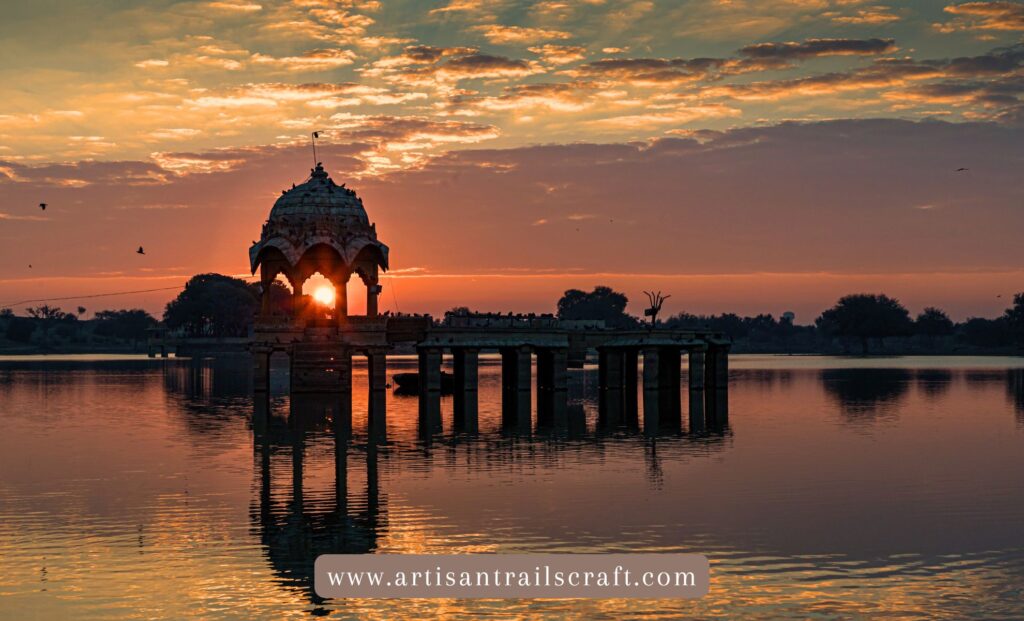
If you’re searching for the best places to visit in Jaisalmer, you’re in the right place. Known as the Golden City of Rajasthan, Jaisalmer is famous for its magnificent fort, golden sandstone architecture, desert landscapes, ancient havelis, and rich cultural heritage. Whether you’re visiting for a day, a weekend, or planning a longer Rajasthan itinerary, this guide covers the most beautiful and authentic places that should be on your Jaisalmer bucket list. Why Visit Jaisalmer? Located in the heart of the Thar Desert, Jaisalmer offers a unique combination of history, culture, architecture, local traditions, desert adventures, and unforgettable sunsets. Unlike many tourist destinations, Jaisalmer still preserves its living heritage. Families continue to live inside the fort, artisans practice traditional crafts, and local communities welcome travelers with genuine Rajasthani hospitality. 1. Jaisalmer Fort (Sonar Quila) One of the most iconic places to visit in Jaisalmer, Jaisalmer Fort rises dramatically from the desert landscape. Built in 1156 AD by Rawal Jaisal, it is one of the world’s few living forts where thousands of residents still live and work. Highlights ·       Ancient Jain Temples ·       Historic Raj Mahal ·       Narrow golden lanes ·       Rooftop cafés ·       Panoramic city views ·       Local handicraft shops Best Time to Visit Early morning or sunset. Travel Tip Spend at least 2–3 hours exploring the fort on foot. Many hidden courtyards and temples are missed by visitors who rush through. 2. Patwon Ki Haveli Patwon Ki Haveli is the largest and most elaborate haveli complex in Jaisalmer. Built by wealthy traders in the early 19th century, it showcases extraordinary stone carvings and intricate architecture. Why Visit? ·       Detailed sandstone carvings ·       Historic merchant residences ·       Photography opportunities ·       Museum exhibits This is one of the most photographed landmarks in the city. 3. Gadisar Lake Gadisar Lake is a peaceful retreat located near the fort. Historically, it served as the primary water source for Jaisalmer. Things to Do ·       Boating ·       Bird watching ·       Sunrise photography ·       Explore surrounding temples The reflection of temples and gateways in the water creates stunning photo opportunities. 4. Salim Singh Ki Haveli Known for its distinctive peacock-shaped roof and unique architecture, Salim Singh Ki Haveli stands apart from other heritage buildings in Jaisalmer. Highlights ·       Curved balconies ·       Intricate facades ·       Historical significance ·       Architectural uniqueness History and architecture enthusiasts should not miss this attraction. 5. Nathmal Ki Haveli Built by two architect brothers, Nathmal Ki Haveli is famous for its symmetrical yet slightly different designs on each side. What Makes It Special? ·       Blend of Rajput and Islamic architecture ·       Detailed carvings ·       Historic artwork ·       Lesser crowds than Patwon Ki Haveli 6. Sam Sand Dunes No list of places to visit in Jaisalmer is complete without the famous Sam Sand Dunes. Located around 40 km from the city, Sam offers the classic desert experience. Activities ·       Camel Safari ·       Jeep Safari ·       Sunset Views ·       Cultural Performances ·       Traditional Rajasthani Dinner ·       Stargazing Best Time October to March 7. Khuri Village If you’re looking for a quieter desert experience, Khuri Village is an excellent alternative to Sam. Why Travelers Love Khuri ·       Fewer crowds ·       Authentic village atmosphere ·       Traditional mud houses ·       Peaceful dunes ·       Local hospitality Many travelers now prefer Khuri for a more authentic desert experience. 8. Kuldhara Village Kuldhara is one of Rajasthan’s most famous abandoned villages. According to local legends, the village was mysteriously deserted overnight centuries ago. Why Visit? ·       Fascinating history ·       Desert landscape ·       Photography ·       Cultural storytelling Visit during the late afternoon for the best lighting. 9. Bada Bagh Bada Bagh is a royal cenotaph complex located just outside Jaisalmer. Highlights ·       Historic royal memorials ·       Sunset photography ·       Peaceful surroundings ·       Architectural beauty Many photographers consider it one of the most beautiful sunset locations in Jaisalmer. 10. Tanot Mata Temple Located near the India-Pakistan border, Tanot Mata Temple is both a spiritual and historical site. The temple became famous during the 1965 Indo-Pak War when unexploded shells reportedly landed around the temple premises. Visitor Experience ·       Religious significance ·       Military history ·       Border region atmosphere 11. Longewala War Memorial History enthusiasts should combine Tanot Mata Temple with a visit to Longewala. What You’ll See ·       Military exhibits ·       Tanks and weapons ·       Battle information ·       Documentary presentations The site commemorates the famous Battle of Longewala. 12. Jain Temples Inside Jaisalmer Fort Dating back to the 12th and 15th centuries, these temples showcase exceptional craftsmanship. Features ·       Ancient sculptures ·       Intricate carvings ·       Spiritual atmosphere ·       Historic significance Even non-religious visitors are often amazed by the architectural details. Hidden Gems in Jaisalmer Many travelers only visit the main attractions. For a deeper cultural experience, consider: Local Craft Workshops Meet artisans who create: ·       Hand embroidery ·       Leather products ·       Block printing ·       Traditional textiles Heritage Walks Explore: ·       Hidden lanes ·       Local markets ·       Historic neighborhoods ·       Community stories Dinner with

jaisalmer travel guide 2026 (1)
Travel

Jaisalmer Travel Guide 2026: The Complete Guide to the Golden City

Quick Answer: This Jaisalmer travel guide covers everything you need to plan your trip to the Golden City of Rajasthan. Jaisalmer is famous for its UNESCO-listed Golden Fort, ornate havelis, Thar Desert safaris, camel desert camps, and centuries-old artisan crafts. The best time to visit Jaisalmer is October to March. Most travelers need 2 to 3 days for the essential sightseeing, and 4 to 5 days for a proper heritage and craft experience. everyday desert life. What Is Jaisalmer and Why Should You Visit? Jaisalmer, often called the Golden City of Rajasthan, is one of India’s most visually distinct destinations and one of the most rewarding stops on any Rajasthan tourism itinerary. Built almost entirely from yellow Jurassic limestone (locally called dune stone), the city glows amber at sunrise and gold at sunset. It sits at the edge of the Thar Desert, roughly 575 km west of Jaipur, and has been a living trade hub since its founding in 1156 CE by Rawal Jaisal of the Bhati Rajput clan. What makes this Jaisalmer travel guide different from a standard destination overview is the focus on what makes the city genuinely unique. Jaisalmer Fort is still inhabited, with around 3,000 people living inside its walls today, making it one of the few living forts in the world. Temples, havelis, restaurants, and craft shops operate within its medieval ramparts, giving visitors an immersive experience that no museum can replicate. For travelers interested in artisan heritage and traditional crafts, Jaisalmer is exceptional. The city’s craftspeople have practiced embroidery, block printing, leather work, silver jewelry making, and stone carving for generations, with many techniques passed down within families for centuries. Jaisalmer Travel Guide: Key Facts at a Glance Detail Information Location Jaisalmer District, Rajasthan, India Nearest Airport Jaisalmer Airport (JSA), domestic flights from Delhi, Jaipur, Mumbai Nearest Rail Junction Jaisalmer Railway Station, connected to Delhi, Jaipur, Jodhpur, Mumbai Best Time to Visit Jaisalmer October to March (peak season: November to February) Jaisalmer Weather to Avoid April to June (temperatures reach 45 to 48°C) Recommended Stay 2 to 3 days minimum; 4 to 5 days for a craft-focused heritage trip Language Hindi, Rajasthani (Marwari); English spoken at most tourist areas Currency Indian Rupee (INR) UNESCO Heritage Status Jaisalmer Fort, part of Hill Forts of Rajasthan (inscribed 2013) How to Reach Jaisalmer Planning how to get there is one of the first things this Jaisalmer travel guide needs to address, because the city is a long way from most major Indian cities and each route offers a very different experience. By Air Jaisalmer Airport (IATA: JSA) operates domestic flights from Delhi, Jaipur, and Mumbai. Flying is the fastest option if you are coming from a distant city and short on time. It is worth pre-booking a taxi or auto-rickshaw from the airport since the city center is approximately 5 to 7 km away. By Train Jaisalmer Railway Station connects to Delhi (via the Jaisalmer Express, around 17 hours), Jodhpur (5 to 6 hours), Jaipur (10 to 11 hours), and Mumbai (21 or more hours). The Jaisalmer to Jodhpur train route is particularly popular for travelers doing a Rajasthan circuit. The overnight train from Delhi or Jaipur arrives in the morning, giving you a full first day for sightseeing. By Road Jaisalmer is well-connected by National Highway 11 from Jodhpur, which is about 285 km and takes roughly 4.5 hours by car. State buses and private coaches run regularly from Jodhpur, Jaipur, and Bikaner. Many travelers combining multiple Rajasthan tourism destinations prefer renting a car with a driver for the flexibility it offers on routes between cities. Best Time to Visit Jaisalmer: Month by Month Jaisalmer weather is one of the most important things to understand before booking. The city sits in the middle of the Thar Desert, which means extreme heat in summer and genuinely cold winter nights despite warm days. October to November This is an ideal window for Jaisalmer sightseeing. Post-monsoon clarity brings comfortable daytime temperatures of 20 to 30°C, and the city is not yet at peak tourist capacity. It is a good balance of pleasant weather and manageable crowds. December to January These are the most popular months for visiting Jaisalmer and for good reason. Days are warm (18 to 25°C) and evenings drop to 7 to 12°C. Carry a jacket or shawl if you are planning evening activities or an overnight desert camp stay. Book accommodation well in advance during this period. February February is festival month. The Jaisalmer Desert Festival (Maru Mahotsav) is held during the full moon near Sam Dunes. Camel racing, folk performances, turban-tying competitions, and the Mr. Desert contest make this one of Rajasthan tourism’s most vibrant annual events. If you can plan your visit around it, it is worth the effort. March March offers pleasant days and slightly warmer evenings. It is a good choice for avoiding peak-season crowds while still enjoying comfortable weather for outdoor Jaisalmer sightseeing. April to September Summer Jaisalmer weather is extreme, regularly reaching 48°C. The monsoon from July to September brings limited rainfall and high humidity. Unless you have a specific reason to visit, these months are best skipped entirely. Top Places to Visit in Jaisalmer No Jaisalmer travel guide is complete without a thorough look at the city’s sightseeing highlights. The places below are listed in order of importance, not just by popularity. 1. Jaisalmer Fort (Sonar Quila) The single most important heritage site in Jaisalmer. Jaisalmer Fort, also called Sonar Quila or Golden Fort, was built in 1156 CE on Trikuta Hill, rising 76 meters above the desert plain. It is part of the UNESCO World Heritage Site “Hill Forts of Rajasthan” (inscribed 2013) and covers approximately 4.5 km of outer walls with 99 bastions. It is the centrepiece of any Jaisalmer itinerary. Unlike most Indian forts that are now empty monuments, roughly 3,000 residents still live inside, running homes, temples, hotels, and shops. Inside the fort you will find the Raj Mahal (Royal Palace), now partially a

jaisalmer tour guide banner
Travel

Why Jaisalmer Feels Different From Other Cities in Rajasthan

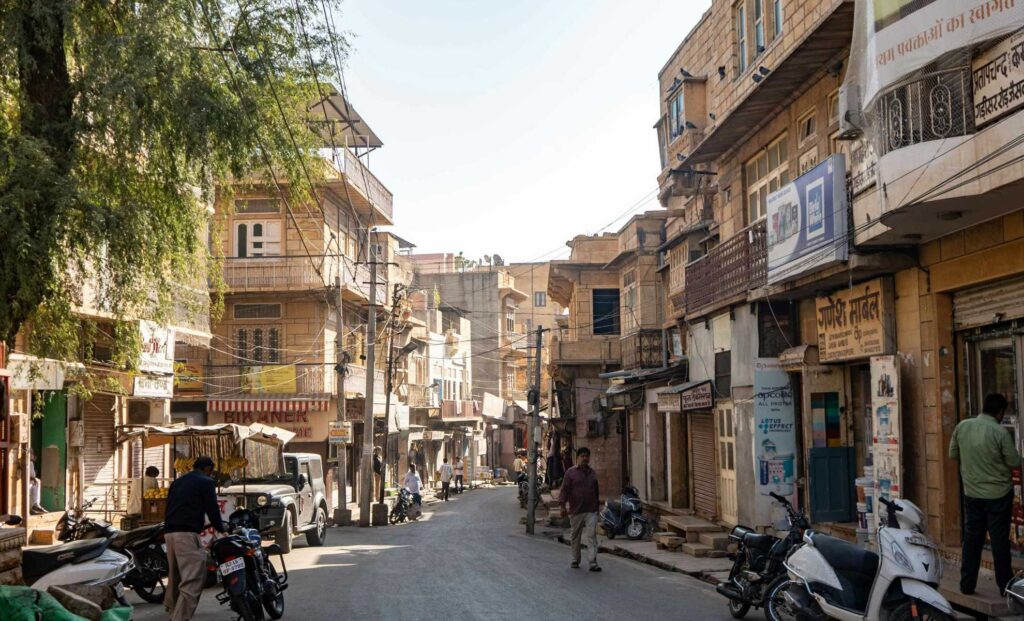
Jaisalmer is not just another city in Rajasthan.Jaisalmer feels calm, beautiful, and full of stories. Many people visit Rajasthan for forts, palaces, and culture. But when people come to Jaisalmer, they feel something different. The city is quieter. The streets feel peaceful. The golden buildings shine in sunlight. Life moves slowly here. That is why many travelers remember Jaisalmer for a long time. The Golden Beauty of Jaisalmer Jaisalmer is called the Golden City because most buildings are made from yellow sandstone. During the day, the city looks golden under the sun. In the evening, the fort and old houses glow with warm colors. Every street in Jaisalmer looks beautiful and traditional. The small lanes, old havelis, carved windows, and ancient temples make the city feel special. Even simple walks in Jaisalmer feel magical. Jaisalmer Feels Peaceful One thing people notice in Jaisalmer is the silence. Other cities in Rajasthan can feel busy and crowded. But Jaisalmer feels slower and calmer. You can hear the wind, soft music, temple bells, and sounds from local streets. When you visit the desert near Jaisalmer, the silence becomes even more beautiful. The open sky, sand dunes, and fresh air make people feel relaxed. Many travelers say the desert experience in Jaisalmer feels unforgettable. Desert Culture Makes Jaisalmer Unique The culture of Jaisalmer comes from desert life. People here wear colorful clothes, make handmade crafts, sing folk songs, and welcome guests warmly. Local food, music, art, and traditions all show the beauty of desert culture. In Jaisalmer, you can meet local artisans, see handmade products, and learn stories about old traditions. This makes the experience more real and personal. Jaisalmer is not only about sightseeing. It is about feeling connected to local culture. Jaisalmer Fort Is Still Alive One special thing about Jaisalmer Fort is that people still live inside it. Families have homes, shops, cafés, and temples inside the fort area. When you walk through the fort, you can see daily life around you. This makes Jaisalmer different from many other historical places in India. The fort is not just for tourists. It is still part of the city’s everyday life. Sunsets in Jaisalmer Feel Magical Sunsets in Jaisalmer are very beautiful. People sit on rooftops, visit desert camps, or watch the sun go down near the dunes. The sky changes colors slowly, and the whole city starts glowing. The golden buildings, cool evening air, and peaceful atmosphere make sunsets in Jaisalmer very special. Why People Love Jaisalmer People do not remember Jaisalmer only because of tourist places. They remember the feeling of the city. They remember the desert wind, folk music, local markets, golden streets, and warm hospitality. Jaisalmer feels simple, authentic, and peaceful. That is why Jaisalmer feels different from every other city in Rajasthan. At Artisan Trails & Crafts Jaisalmer, we believe the real beauty of Jaisalmer is in its local culture, traditional crafts, and everyday desert life. If you truly want to experience Rajasthan, Jaisalmer is a place you should visit at least once.

Scroll to Top