Hidden Details Inside Jaisalmer Fort You Should Not Miss
Rising above the golden sands of the Thar Desert, Jaisalmer Fort is more than just a famous tourist attraction. Built in 1156 CE by Bhati Rajput ruler Rawal Jaisal, this magnificent fortress has witnessed centuries of trade, invasions, royal ceremonies, and everyday life. Today, it remains one of the few “living forts” in the world, with thousands of residents continuing to live within its ancient walls.
While most visitors come for the panoramic views and golden sandstone architecture, the real magic lies in the hidden details scattered throughout its narrow lanes, temples, homes, and marketplaces.
In this guide, we uncover the lesser-known stories and fascinating secrets inside Jaisalmer Fort that many travellers miss.
Why Is Jaisalmer Fort Called the Golden Fort?
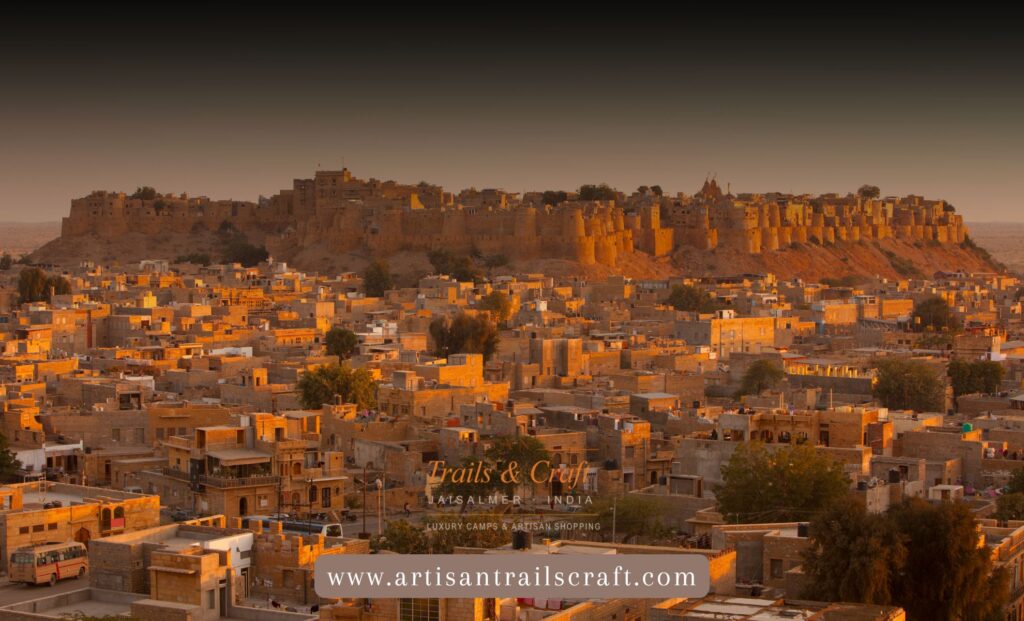
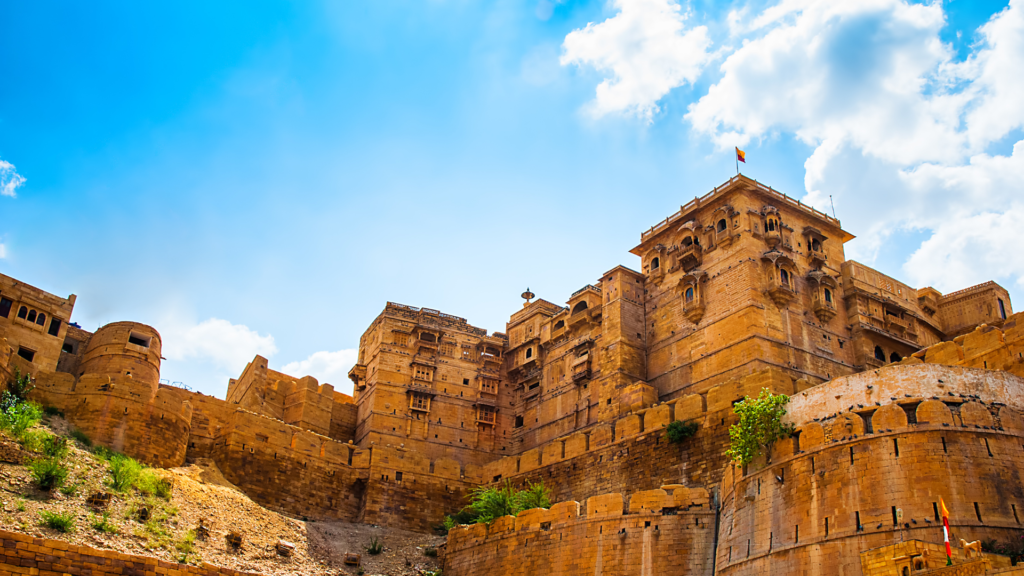
Locally known as Sonar Quila or Swarna Durg, the fort is built entirely from yellow sandstone. During sunrise and sunset, these stones reflect warm golden hues, making the structure appear like a giant golden mirage rising from the desert. This unique appearance earned it the nickname “Golden Fort.”
The fort stands proudly on Trikuta Hill, offering strategic views over the surrounding desert trade routes that once connected India with Central Asia and beyond.
Hidden Detail 1: A Living City Inside Ancient Walls
Unlike most forts in India that function solely as museums, Jaisalmer Fort is a thriving community.
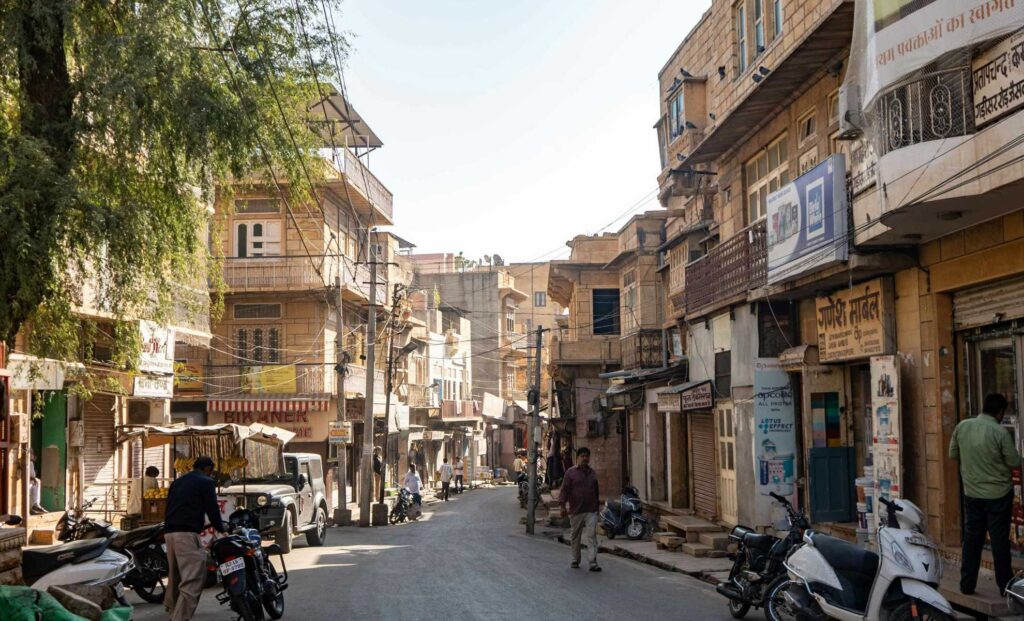
Nearly one-fourth of Jaisalmer’s population still lives inside the fort’s walls. Families have occupied these homes for generations, creating a rare blend of heritage and everyday life. You’ll find schools, temples, guesthouses, shops, and local kitchens operating within the centuries-old structure.
This living heritage is one of the key reasons why UNESCO included Jaisalmer Fort in the Hill Forts of Rajasthan World Heritage Site in 2013.
Hidden Detail 2: The Four Massive Gateways Tell a Story
Many travelers walk through the fort gates without realizing that each entrance served a specific defensive purpose.
The four gateways — Akhai Pol, Suraj Pol, Ganesh Pol, and Hawa Pol — were designed in a zigzag pattern to slow down invading armies and prevent direct elephant charges.
As you pass through these gates, notice the sharp turns and elevated positions. They were part of an advanced defense system developed centuries before modern warfare.
Hidden Detail 3: Intricate Jain Temples Hidden in Narrow Lanes
Deep inside the fort’s maze-like streets are seven remarkable Jain temples built between the 12th and 15th centuries. These temples are dedicated to various Tirthankaras and showcase extraordinary craftsmanship.
Look closely at the sandstone carvings. You will find:
- Detailed sculptures of deities
- Floral motifs carved by hand
- Ancient manuscripts preserved in temple libraries
- Geometric ceiling designs inspired by the famous Dilwara Temples
The temples demonstrate how religion, trade, and art flourished together inside the fort.
Hidden Detail 4: Hidden Courtyards and Family Havelis
Behind modest wooden doors are beautiful courtyards that many visitors overlook.
Merchant families who prospered through desert trade routes built private havelis with intricately carved balconies, hidden terraces, and internal courtyards designed to stay cool during Rajasthan’s intense summers.
Many of these homes remain privately owned, offering a glimpse into traditional desert architecture that balances beauty with practicality.
Hidden Detail 5: Ancient Rainwater Harvesting Systems
Water has always been precious in the Thar Desert.
Long before modern infrastructure, the fort’s residents developed sophisticated rainwater harvesting systems. Underground storage tanks, narrow drainage channels, and carefully planned slopes directed rainwater into reservoirs for year-round use.
These sustainable water management techniques helped the fort survive for centuries in one of India’s driest regions.
Hidden Detail 6: Secret Viewing Points Beyond the Main Terrace
Most visitors head straight to the popular viewpoints near the entrance.
However, some of the best views are hidden along the quieter lanes near the fort’s outer walls.
These lesser-known spots offer:
- Panoramic views of Jaisalmer city
- Clear sights of the surrounding Thar Desert
- Beautiful photography opportunities during sunrise
- A chance to observe daily life inside the fort
Early mornings provide the most peaceful experience before the crowds arrive.
Hidden Detail 7: The Royal Palace Holds Untold Stories
The Raj Mahal, also known as the Royal Palace, served as the residence of Jaisalmer’s rulers for centuries.
Inside, visitors can discover:
- Hidden balconies used by royal women
- Ancient weapons and artifacts
- Decorative mirror work
- Intricate stone lattice windows designed for ventilation
These architectural details reveal how the rulers adapted to desert conditions while maintaining luxury and security.
Hidden Detail 8: Every Carving Has a Purpose
Look closely at the fort’s windows, balconies, and walls.
The famous jharokhas are not only decorative. Their design improves airflow, provides shade, and offers privacy while allowing residents to observe street activities.
Similarly, narrow lanes create natural cooling by reducing direct sunlight and encouraging air circulation.
What appears to be artistic expression is also a masterclass in climate-responsive architecture.
Challenges Facing Jaisalmer Fort Today
As a living fort, Jaisalmer Fort faces unique conservation challenges.
Modern plumbing systems, increasing tourism, water seepage, and population pressure have affected the fort’s foundations over the years. Conservation organizations and heritage experts continue working to preserve this architectural wonder for future generations.
Responsible tourism plays an important role in protecting this UNESCO World Heritage Site.
Tips for Exploring Hidden Corners of Jaisalmer Fort
- Visit early in the morning for a quieter experience.
- Hire a knowledgeable local Jaisalmer guide to uncover stories behind the architecture.
- Respect residential areas and ask permission before photographing homes.
- Wear comfortable footwear, as the streets are steep and uneven.
- Explore beyond the main market lanes to discover hidden temples and viewpoints.
Final Thoughts
Jaisalmer Fort is not just a monument frozen in time. It is a living, breathing city where history unfolds every day.
Beyond its golden walls lie hidden temples, secret courtyards, ancient water systems, and generations of stories waiting to be discovered.
The next time you visit Jaisalmer Fort, slow down. Wander through its narrow lanes, look up at the carved balconies, and listen carefully.
You may find that the most memorable experiences are not listed on any map.
Frequently Asked Questions About Jaisalmer Fort
What is special about Jaisalmer Fort?
Jaisalmer Fort is one of the few living forts in the world where thousands of people still reside within its walls. It is also a UNESCO World Heritage Site and one of Rajasthan’s most iconic landmarks.
Why is Jaisalmer Fort called Sonar Quila?
The fort is built from yellow sandstone that glows golden under sunlight, especially during sunrise and sunset.
How old is Jaisalmer Fort?
Jaisalmer Fort was built in 1156 CE by Rawal Jaisal, making it more than 850 years old.
Are people still living inside Jaisalmer Fort?
Yes. Approximately one-fourth of Jaisalmer’s population continues to live and work inside the fort.
Which temples are inside Jaisalmer Fort?
The fort houses seven Jain temples built between the 12th and 15th centuries, along with the historic Laxminath Temple.